you’re here early!
welcome to the party. lemon’s portfolio page is currently a work in progress.

lemon.
because your desk isn’t a sauna.
the anti small form factor small form factor pc.
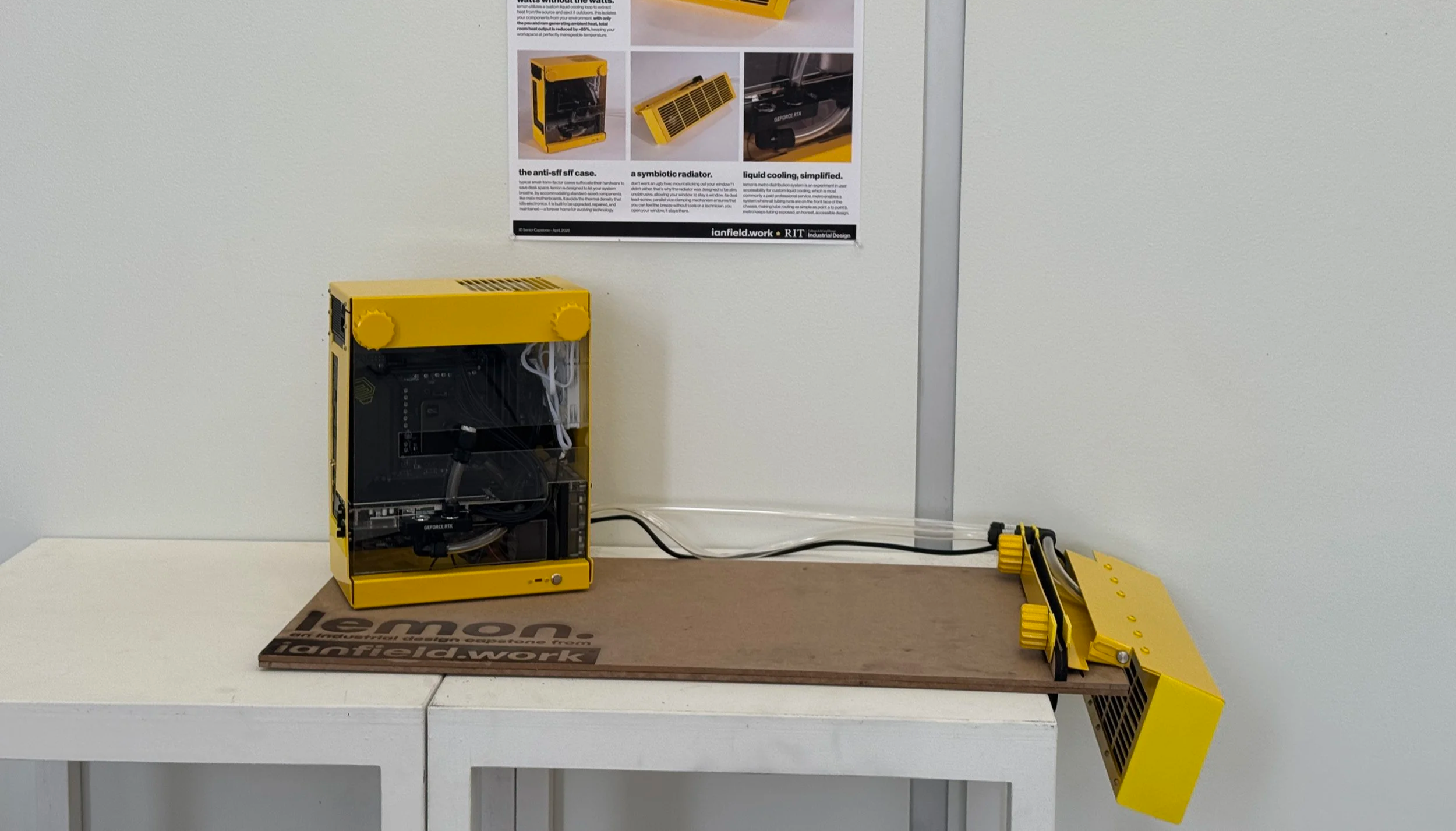
generally, every computer made since the first has the same problem. utilizing indoor air for cooling and exhaustion, they create a heating loop known as the sauna effect. lemon is a 13.5 l small form factor micro atx chassis with an external, window mounted radiator, to prevent up to 90% of your pc’s exhaust heat generation from ever entering your space.
practical skills
contributors
sheet metal design
metal cnc cam
electronics integration
design for manufacturing
weatherproofing
lara goulart
chris lyons
lori resch
juan noguera
sam wang
generative ai disclosure.
google gemini pro was utilized in this project for:
minor editorial assistance
material research and exploration, thermodynamics research and exploration
no video or image generation of any kind was utilized at any time in the making of this project.
worst. sauna. ever.
Between 2015 and 2025, peak CPU and GPU power consumption roughly tripled. A modern high-performance workstation under full load can pull upwards of 800W–1000W.
watts are watts. a 1000w gaming pc generates the same heat for your environment as a 1000w space heater. i went to forums and asked users how it affects them.
"i feel excluded to play anything but barebones games...lest I end up feeling like I have to try and sleep in a sauna."
80%
of responders notice an increase in ambient temperature when their pc is running
the side effects.
in addition to the osha-defined hazardous levels of ambient temperatures. users reported additional side effects from being in an overheated room for extended periods of time. users reported it negatively affected their sleep, productivity, overall comfort, and stress level. other than that, everyone had headaches.
chill out, sweaty gamers.
utilizing a custom liquid cooling loop, lemon cools the hottest parts and exhausts the heat outdoors with an external, window mounted radiator enclosure.
-
yes, it would! i didn’t for a couple of key reasons. first and foremost being the bulk and aesthetic abomination of ducting, the second and secondmost being the thermal inefficiency. in order to create a thermal vacuum (which would suck the hot air out instead of transferring it through liquid), you still have to sacrifice a lot of fresh, cool indoor air to cool your parts — since that’s still the thermal dynamic. a liquid cooling loop transfers the heat into liquid rather than air, which can be transferred without much heat loss to a radiator, isolating and extracting the heat, rather than shoving all the air your computer heats up (and doesn’t) out the window.
the secret 3rd reason is noise. when all the fan noise is outside rather than in the case, lemon is extremely quiet even while under load.
-
yes, right again! you’re really good at this. the initial prototype was joined together by standard clear PVC tubing, though a more refined iteration would use EPDM based tubing, which is the same insulating material that seals the window vice.

smaller than smaller.
at 13.5 liters, lemon’s chassis is the world’s smallest micro atx chassis that fits a full size graphics card. this metric was reached by externalizing a lot of the cooling, but also without using a riser, a to-be-expected $100 markup on many small cases.
-
the benefit of spending a decent car’s worth of money on computers throughout a quarter lifetime is that you get to try all the perspectives (if you want to — and don’t have any other lingering debts). my former pc was built using a mini itx motherboard that couldn’t function normally beyond a couple months of having it. i realized that mini-itx boards cost more, have less, and die faster. for a sustainable design, it shouldn’t be based on unsustainable hardware architecture. lemon uses micro atx boards which have more expansion and stability, as well as being noticeably cheaper to acquire, so it became my new goal to make the chassis optimize the space of a traditional micro-atx layout. you make the best of the space you can while delivering the most optimal (and popular) choice for new pc building.
-
the 13.5L figure comes from excluding the external radiator. the case being this small and fitting a graphics card is achievable by designing a liquid-only chassis with externalized cooling. the main achievement is creating a small form factor chassis that can house all of these parts without using external hardware (with external add ons costs) such as a gpu riser card.
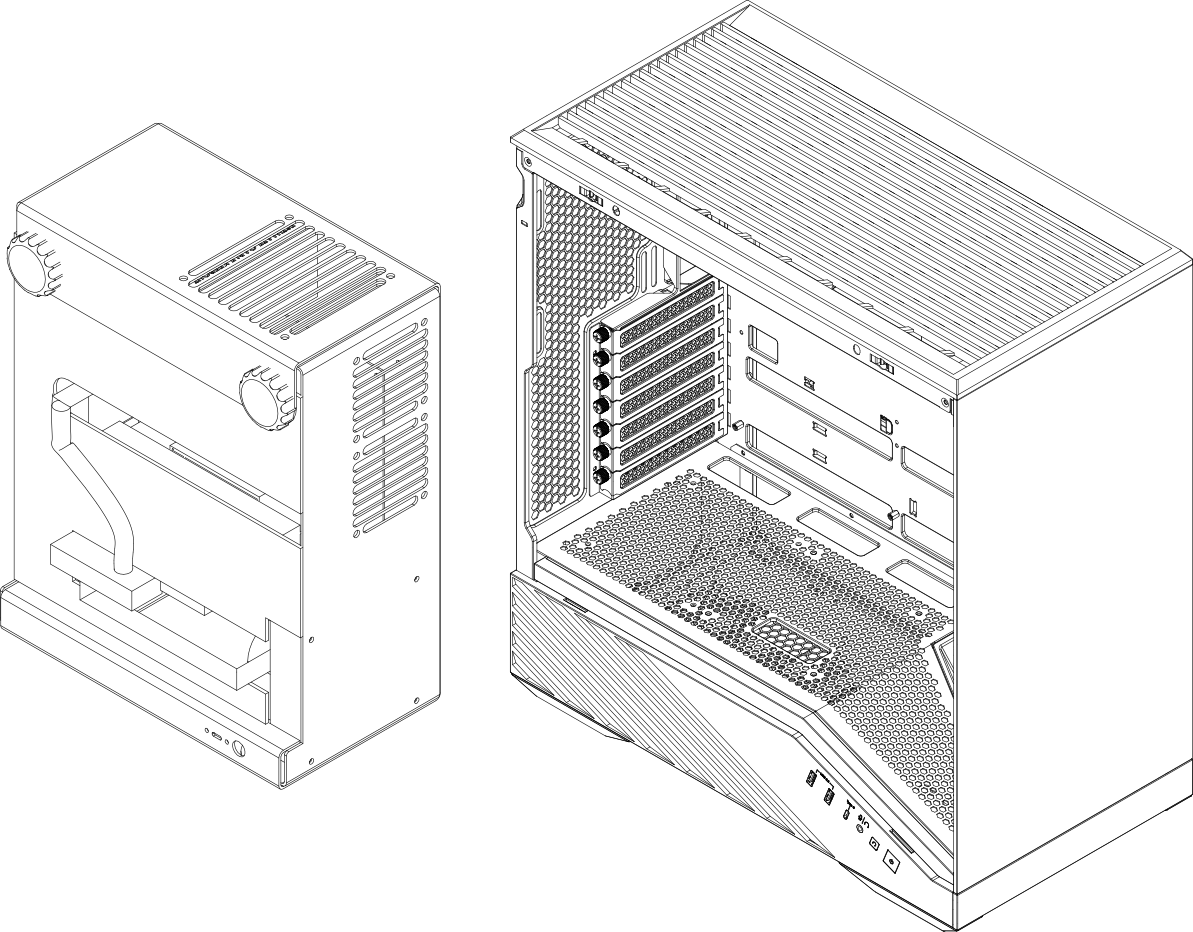
lemon scale v. lian li v100 — best selling pc case in 2026.
lian li vector v100 model sourced from lian li’s official website.ready to go.
as a design for manufacturing (dfm) project, lemon was optimized for easy manufacturing, assembly, and cost-efficient in bulk.
a solution such as this is only successful if it can be reasonably acquired by the target market. lemon was made for the users, and should not be expensive just because they’ll need it.
-
lemon’s final prototype was made almost exclusively from pre-formed parts from sendcutsend. a user could recieve the same parts and be able to put the lemon together on their own, and an automatic manufacturing system (like sendcutsend) is able to remake these parts consistently.
-
first and foremost, cut sendcutsend. they charge markups for a premium service. second, reduce propreitary hardware, namely the internal pump and reservoir ($270 MSRP), and the radiator microcontroller ($80). a majority of the cost was cut by ideally not producing the chassis at all. more on that below.
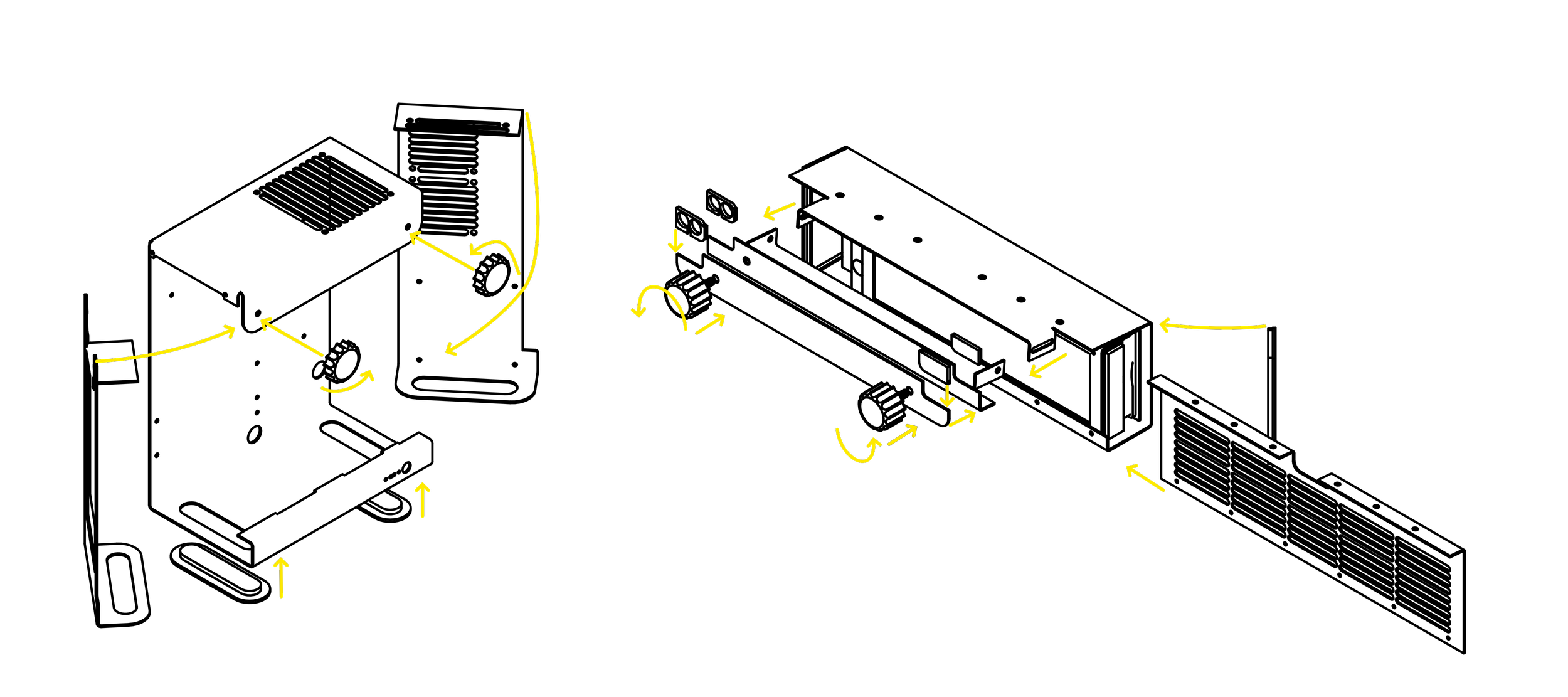
processwork.
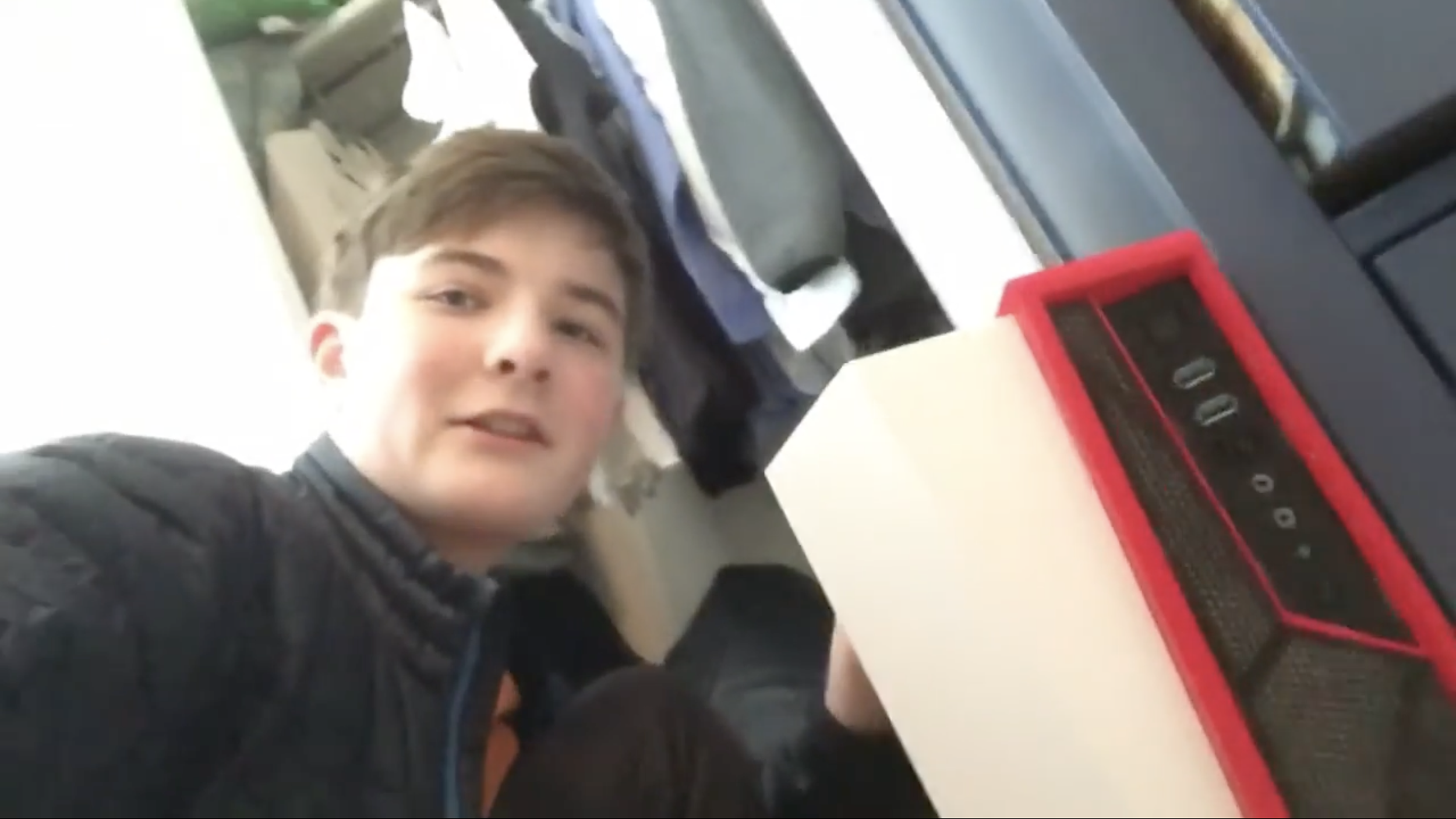
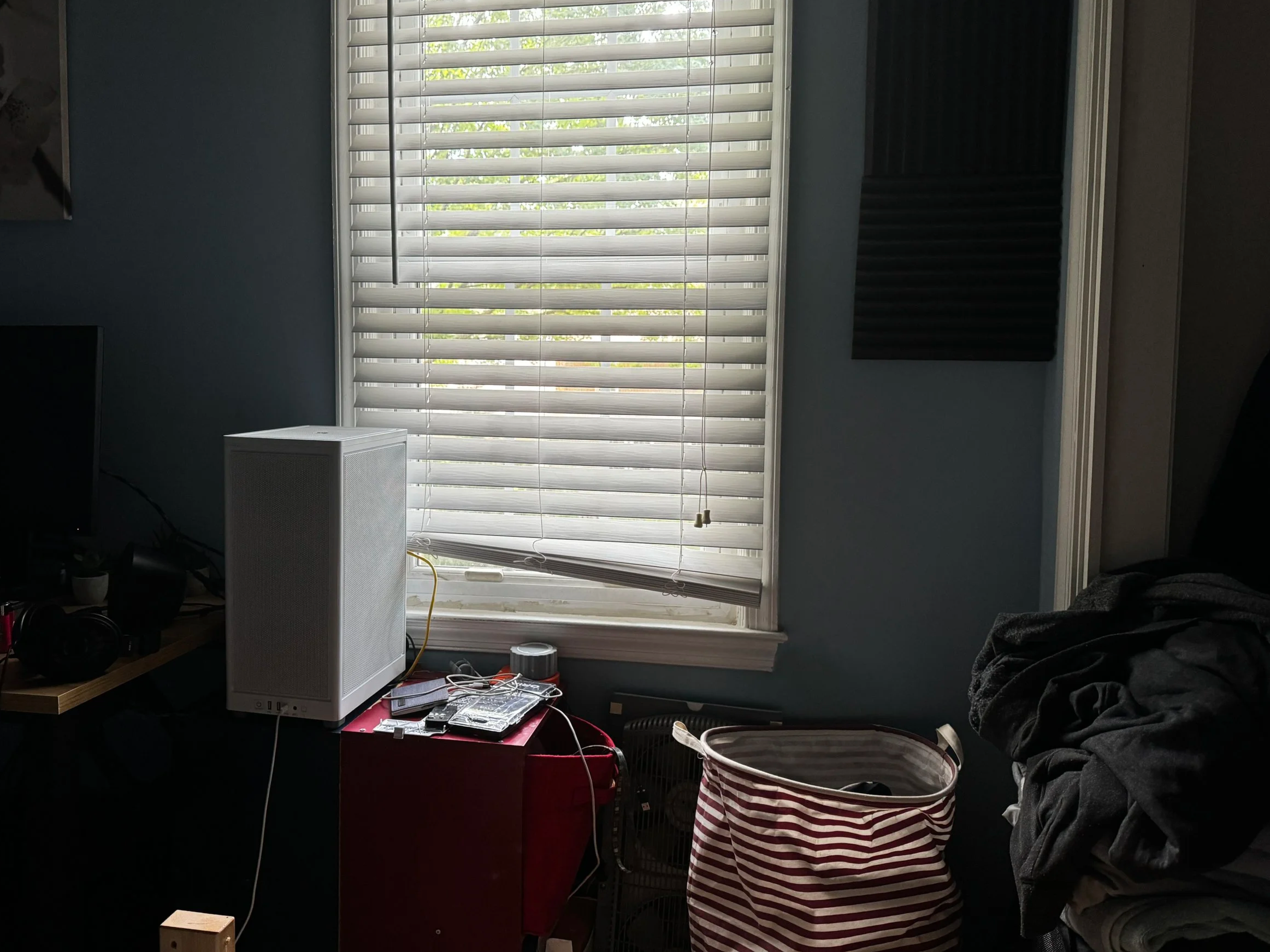
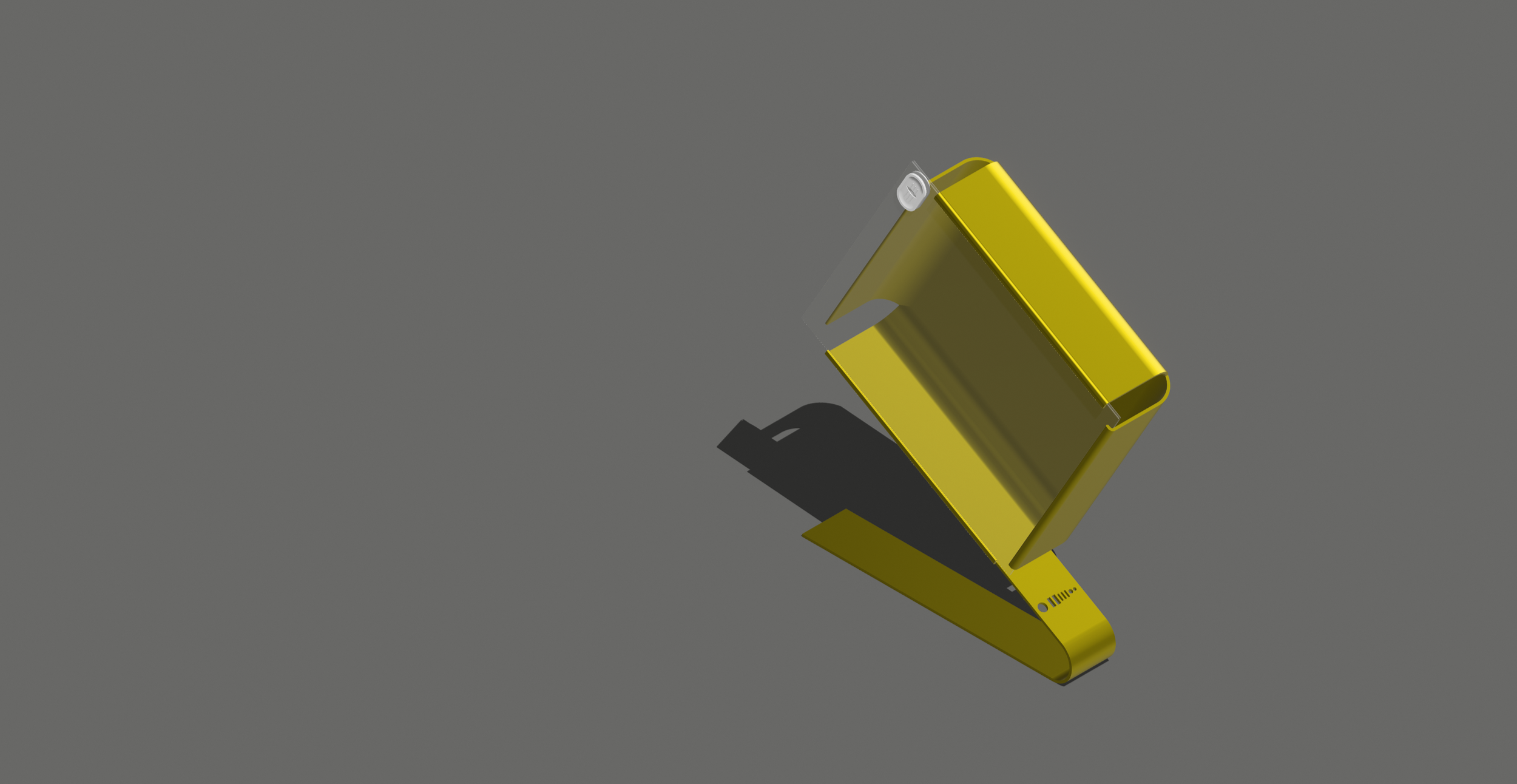
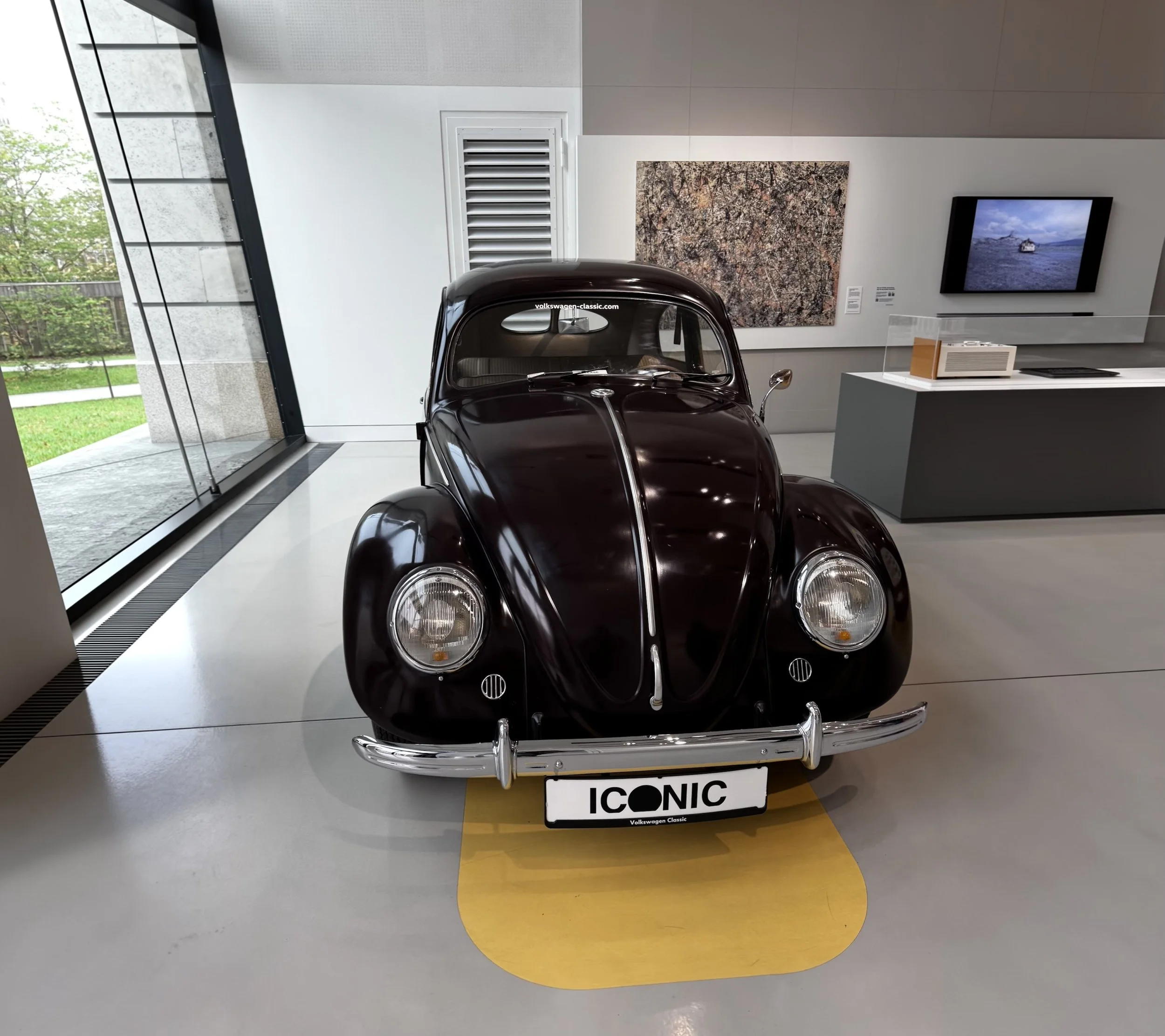
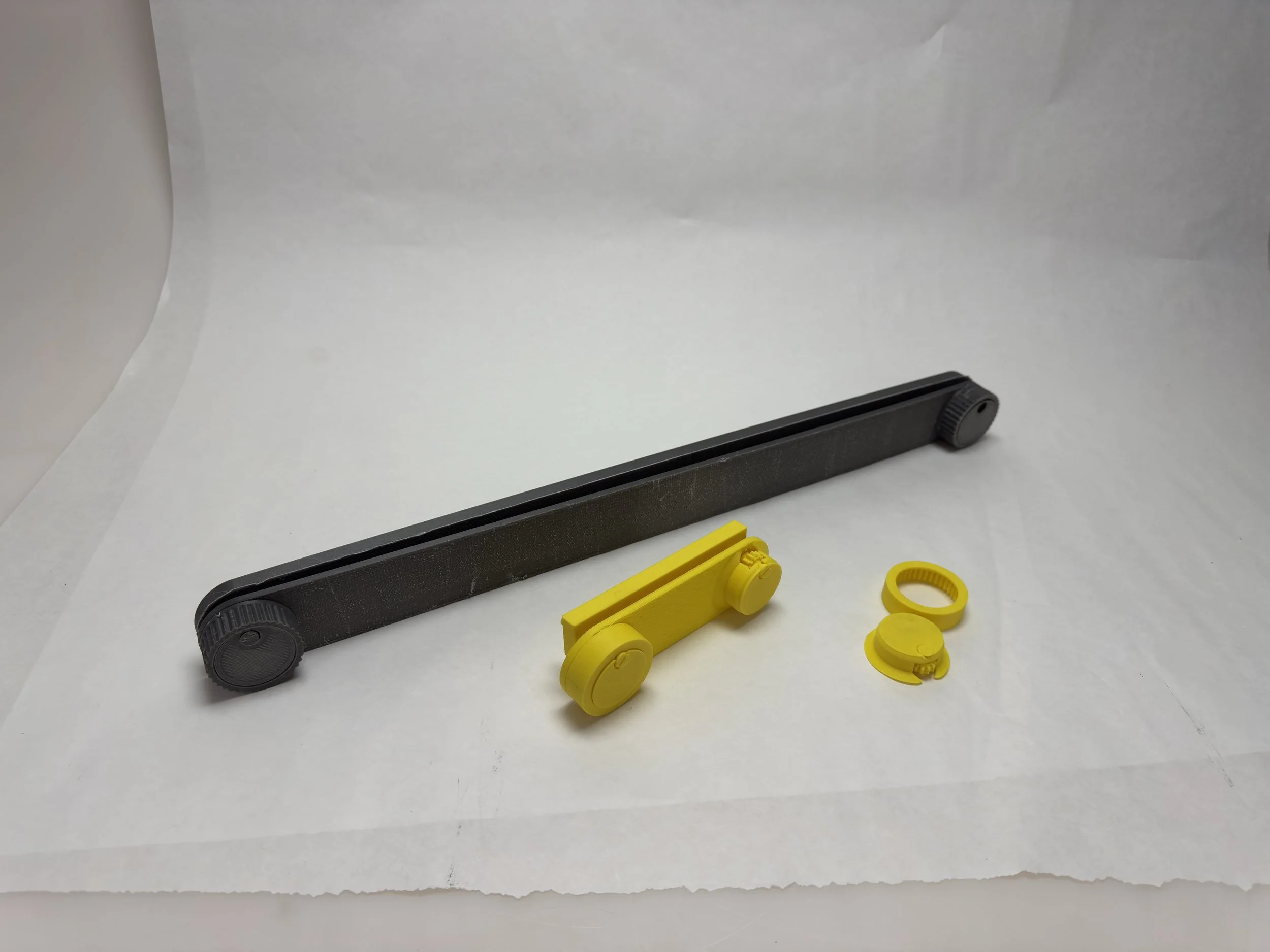
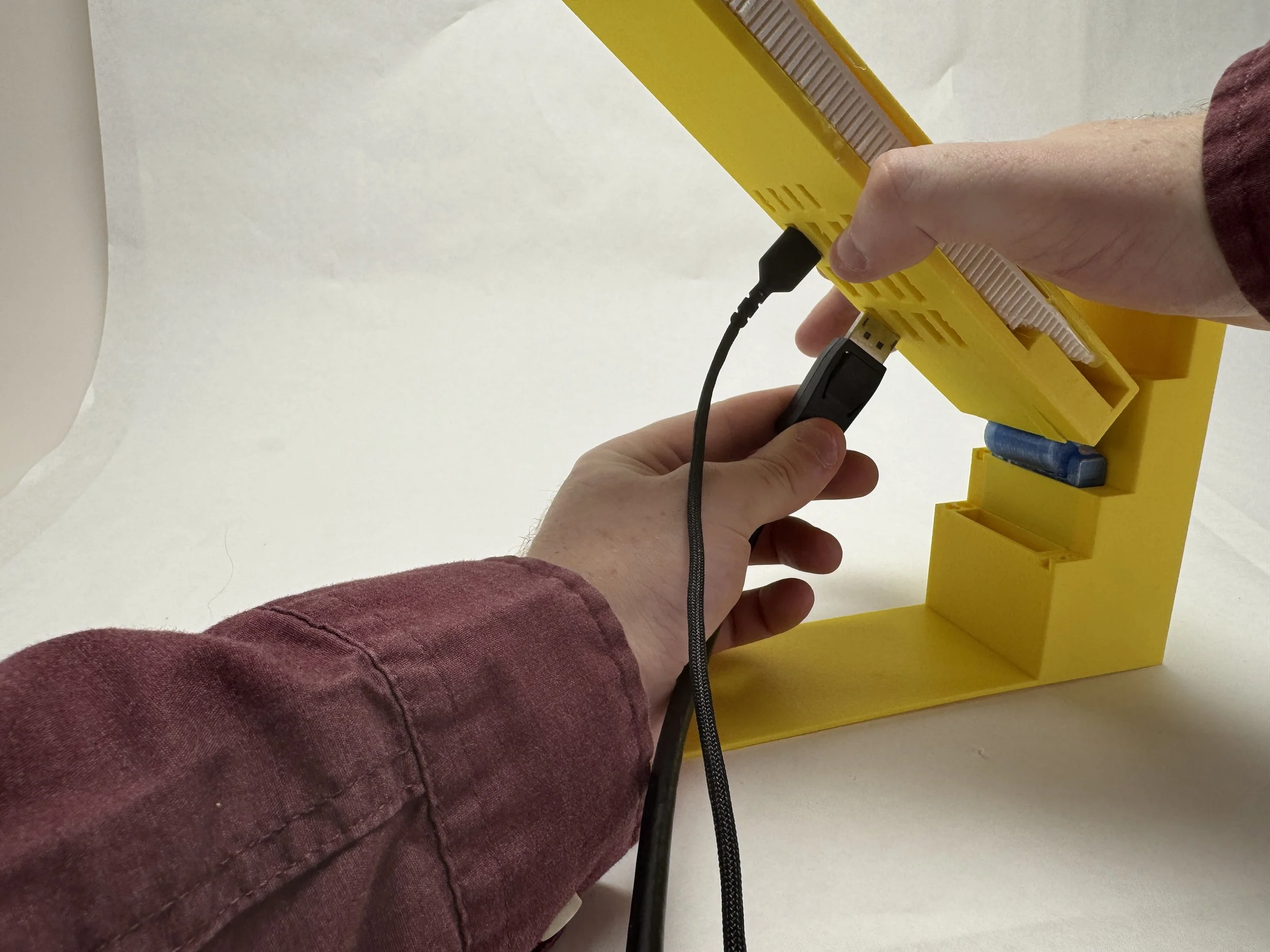
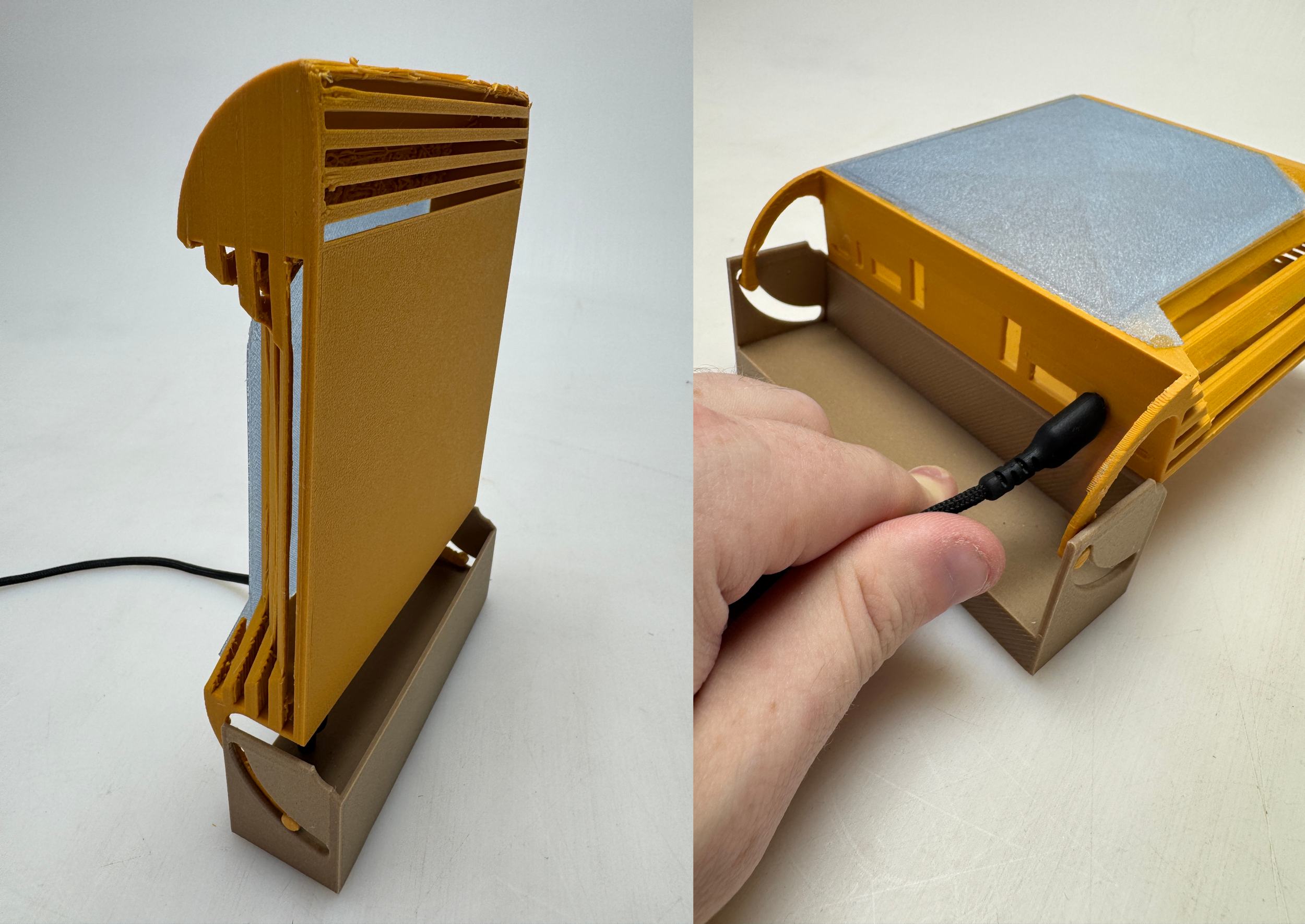
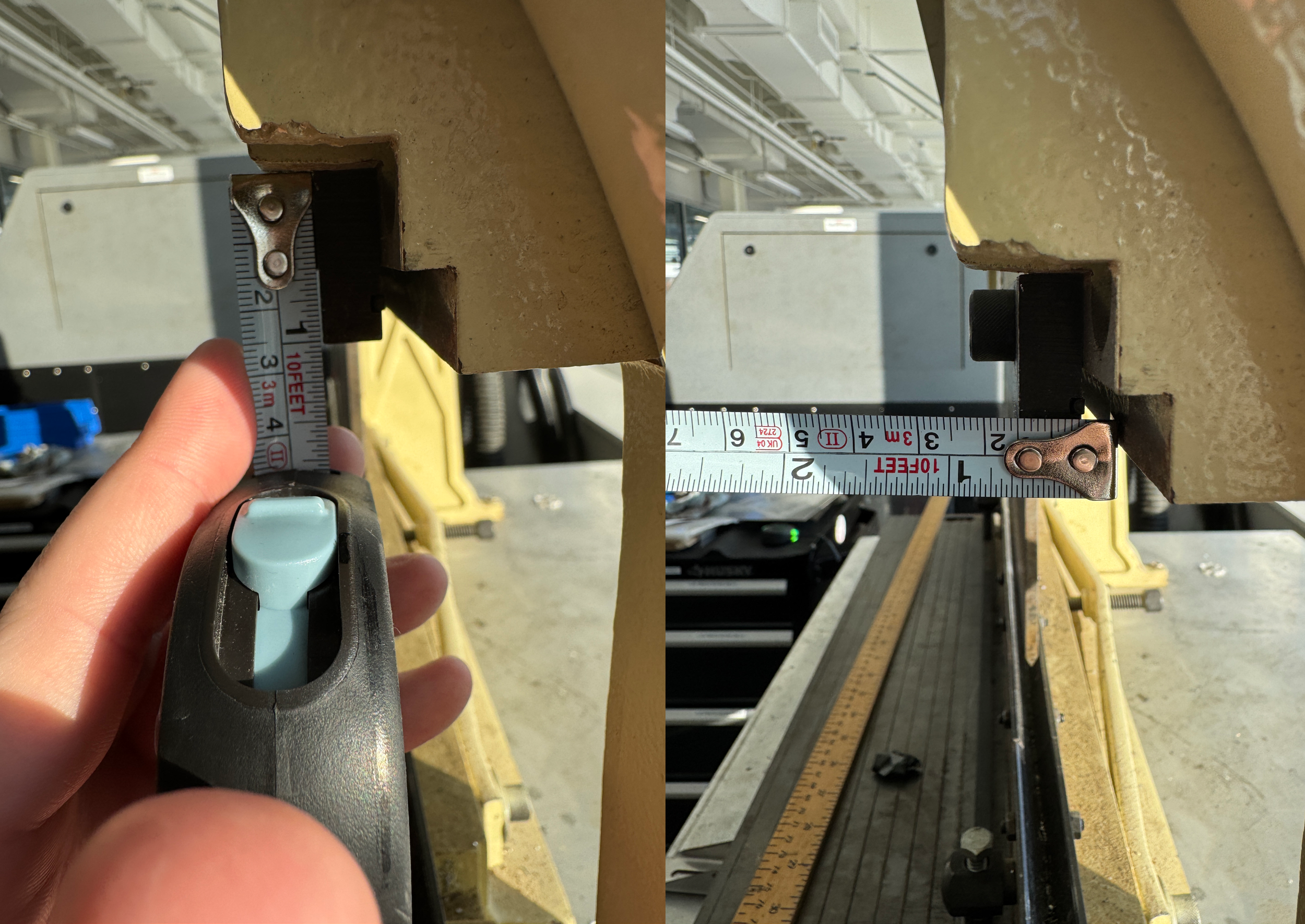
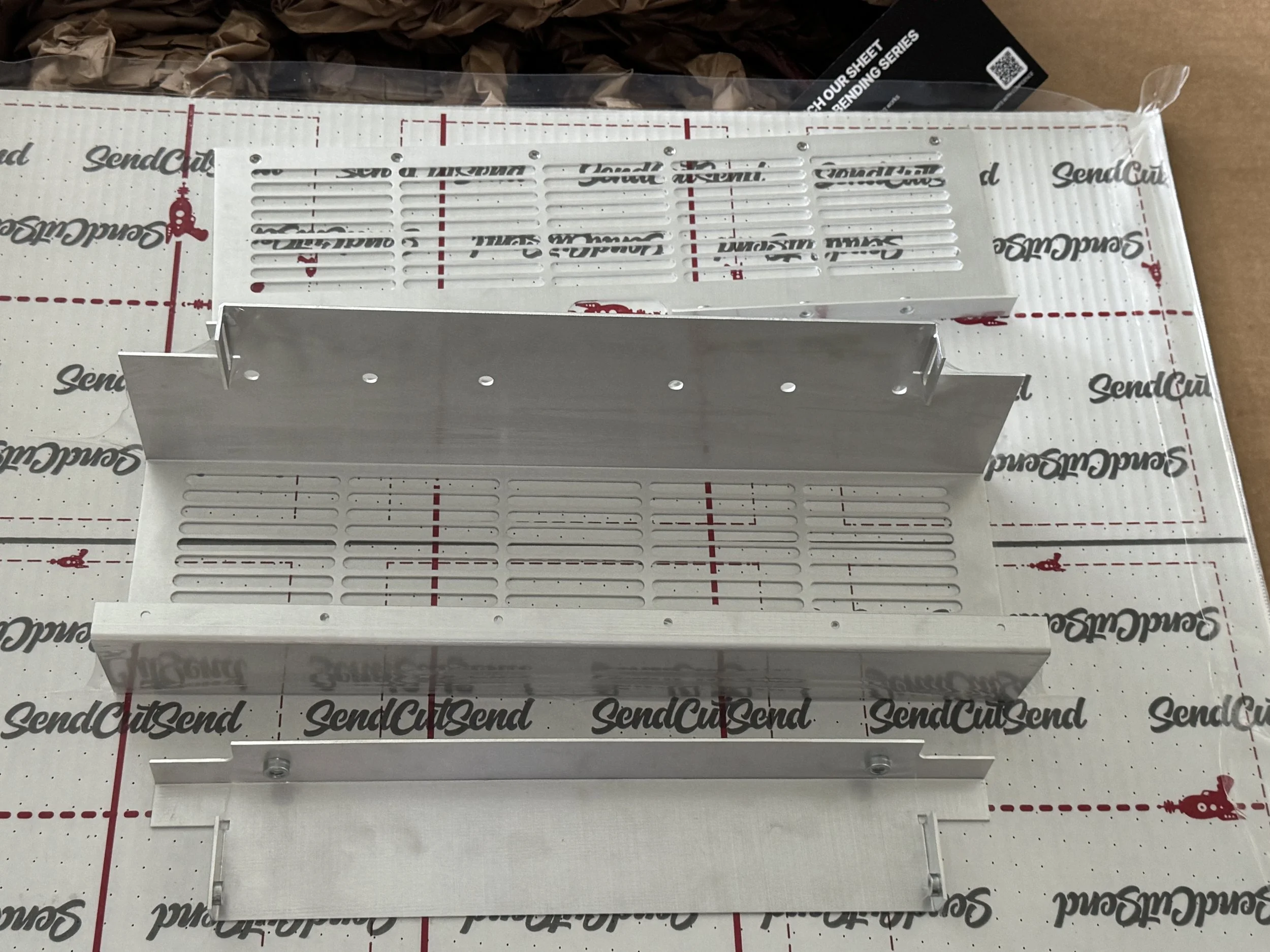
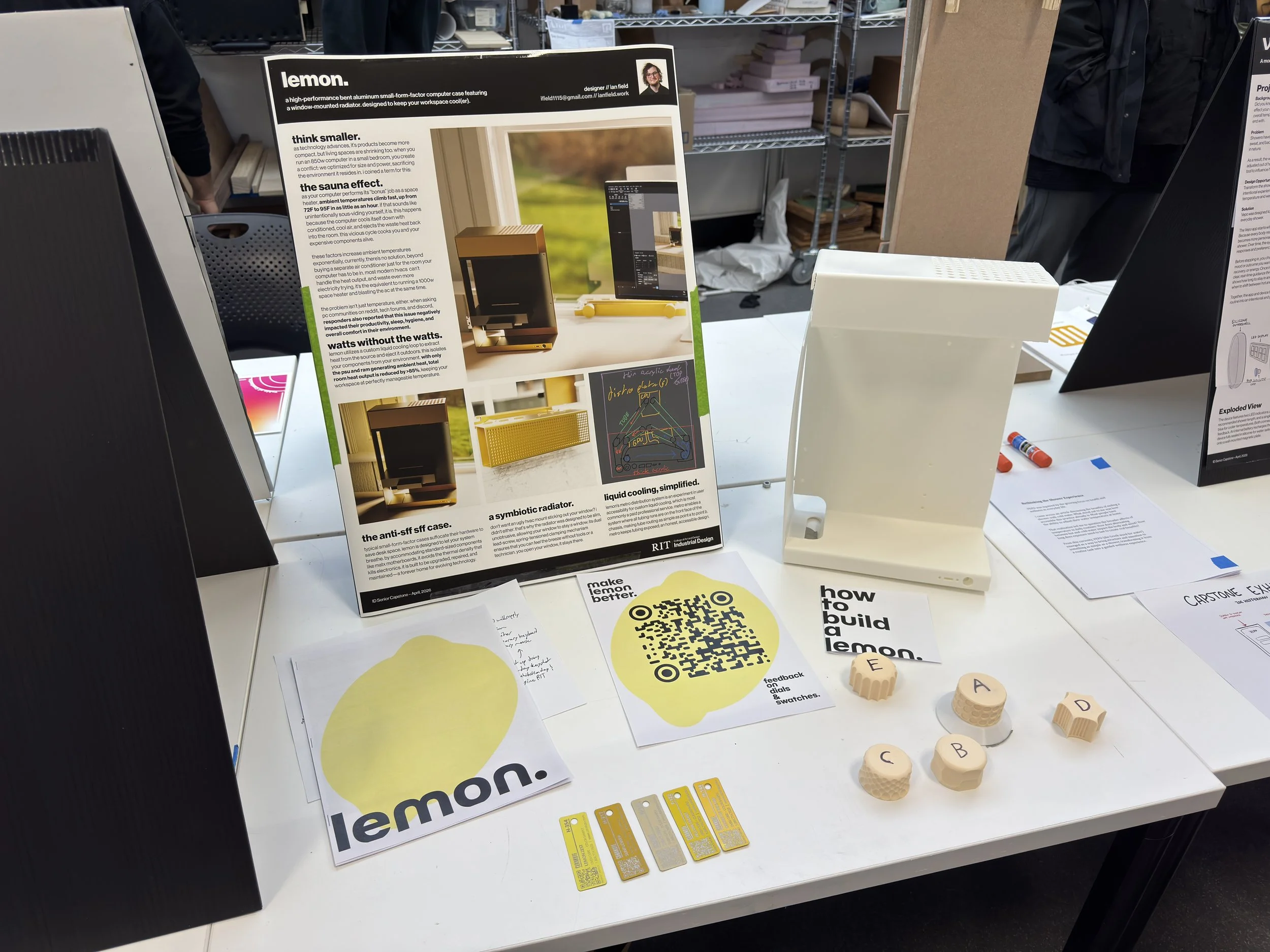
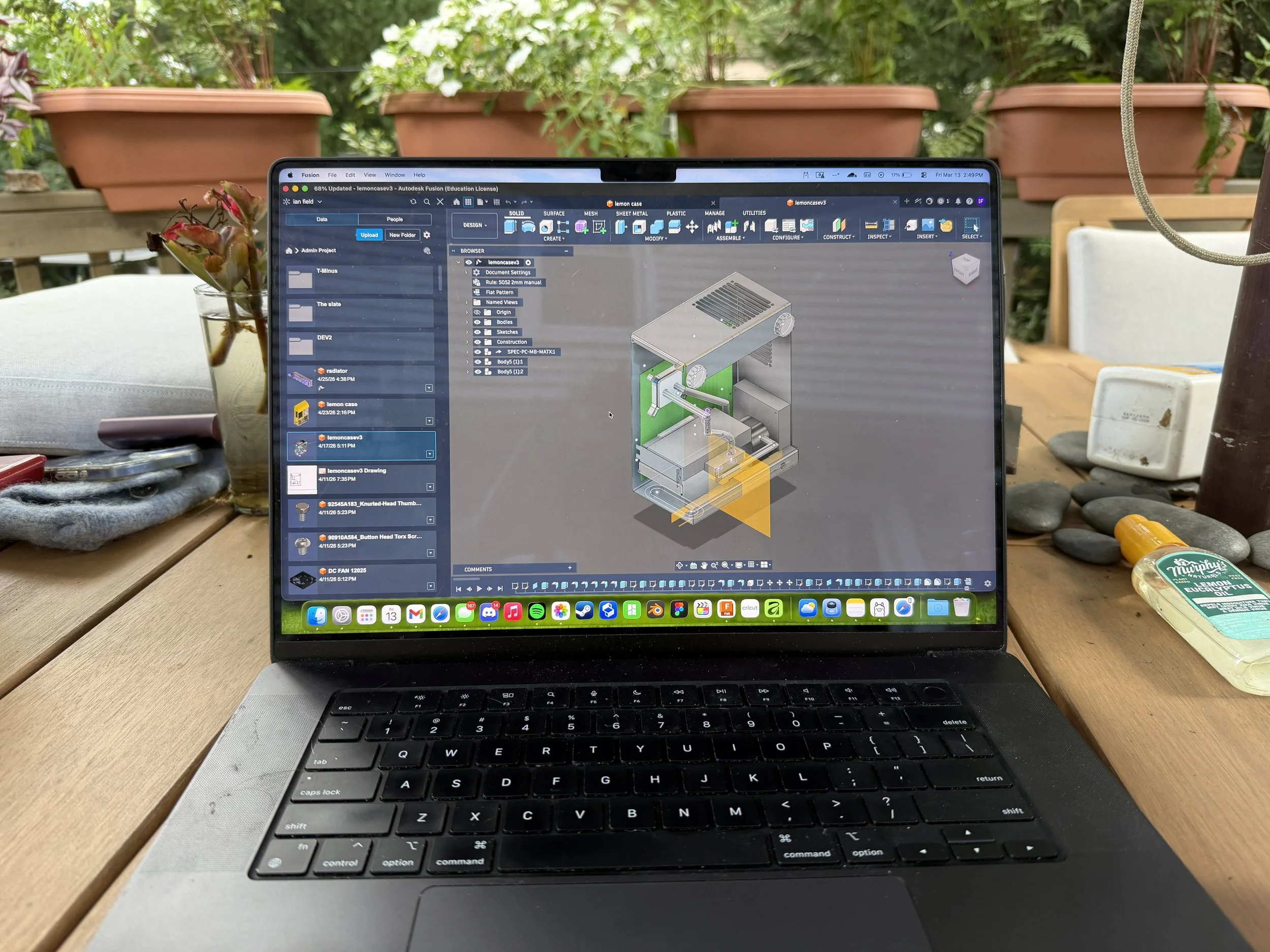
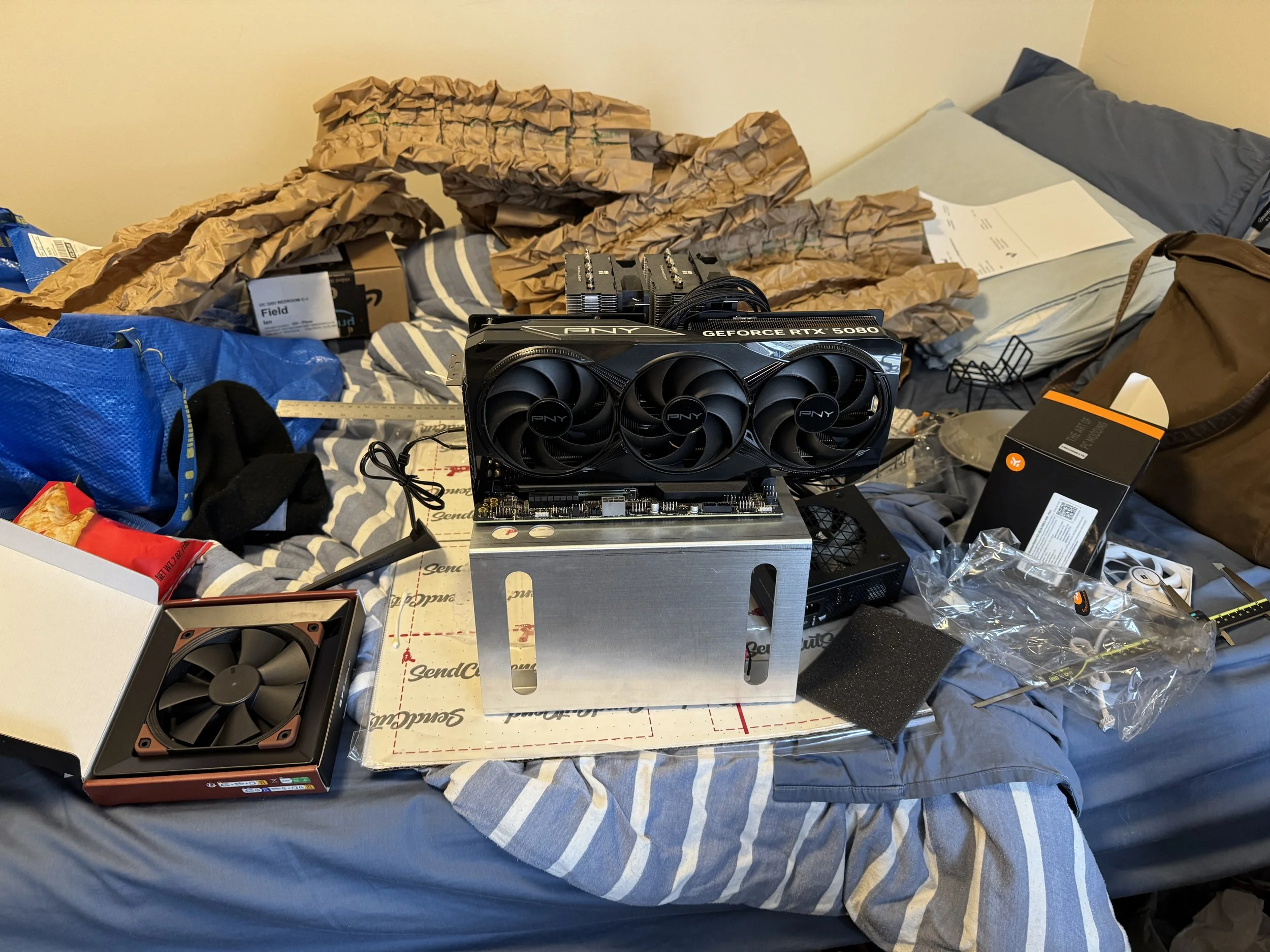
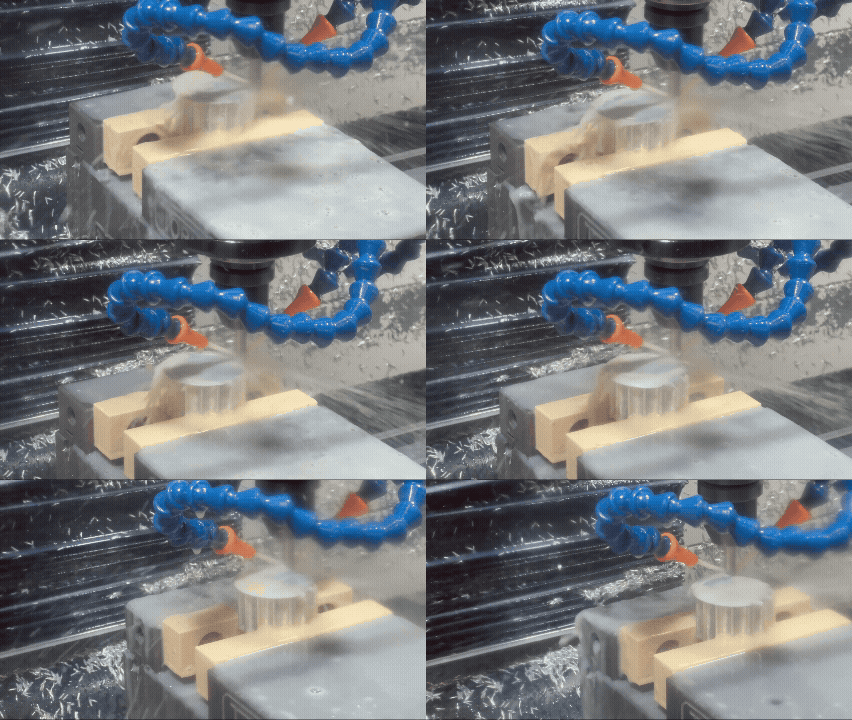
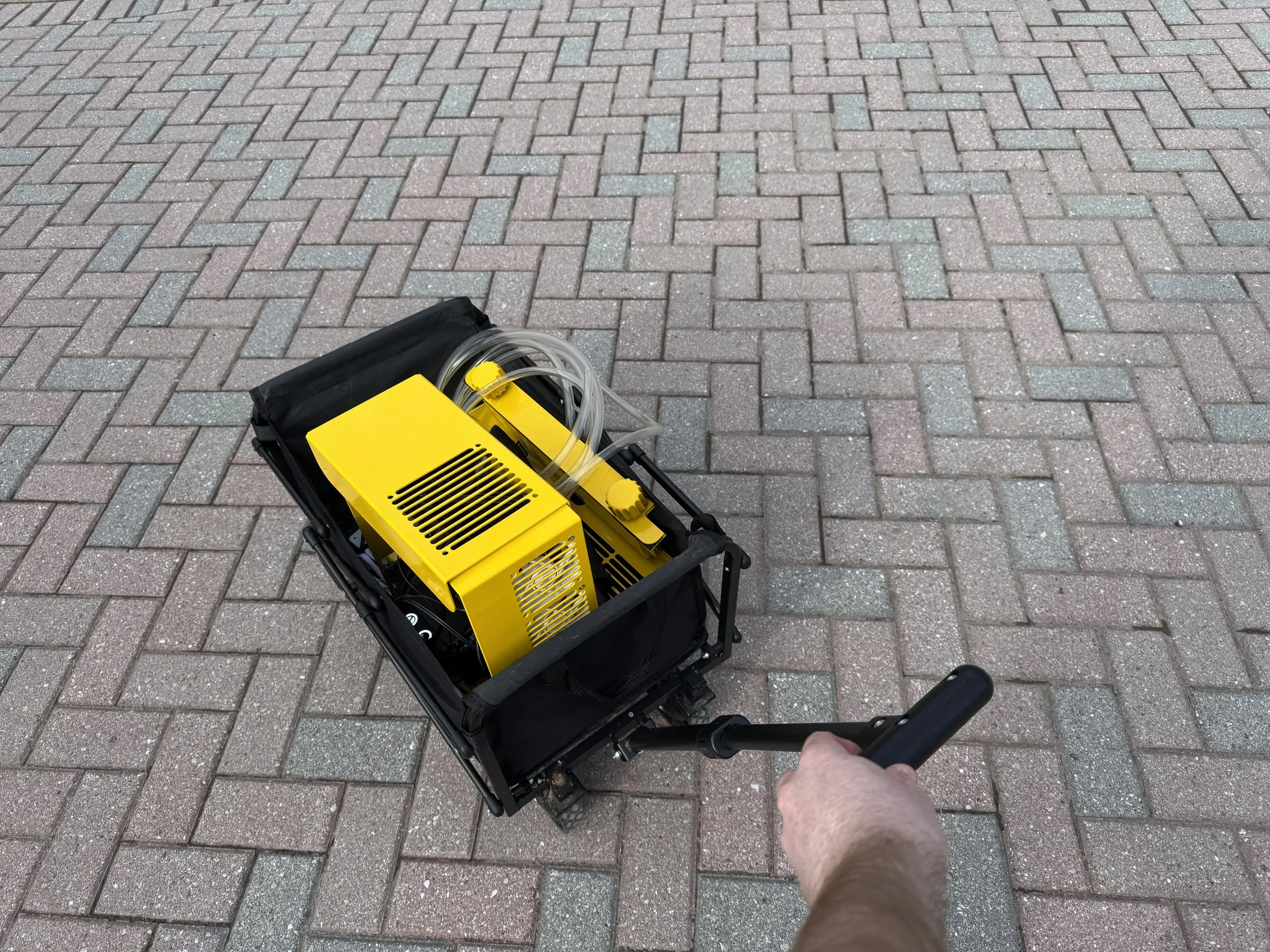
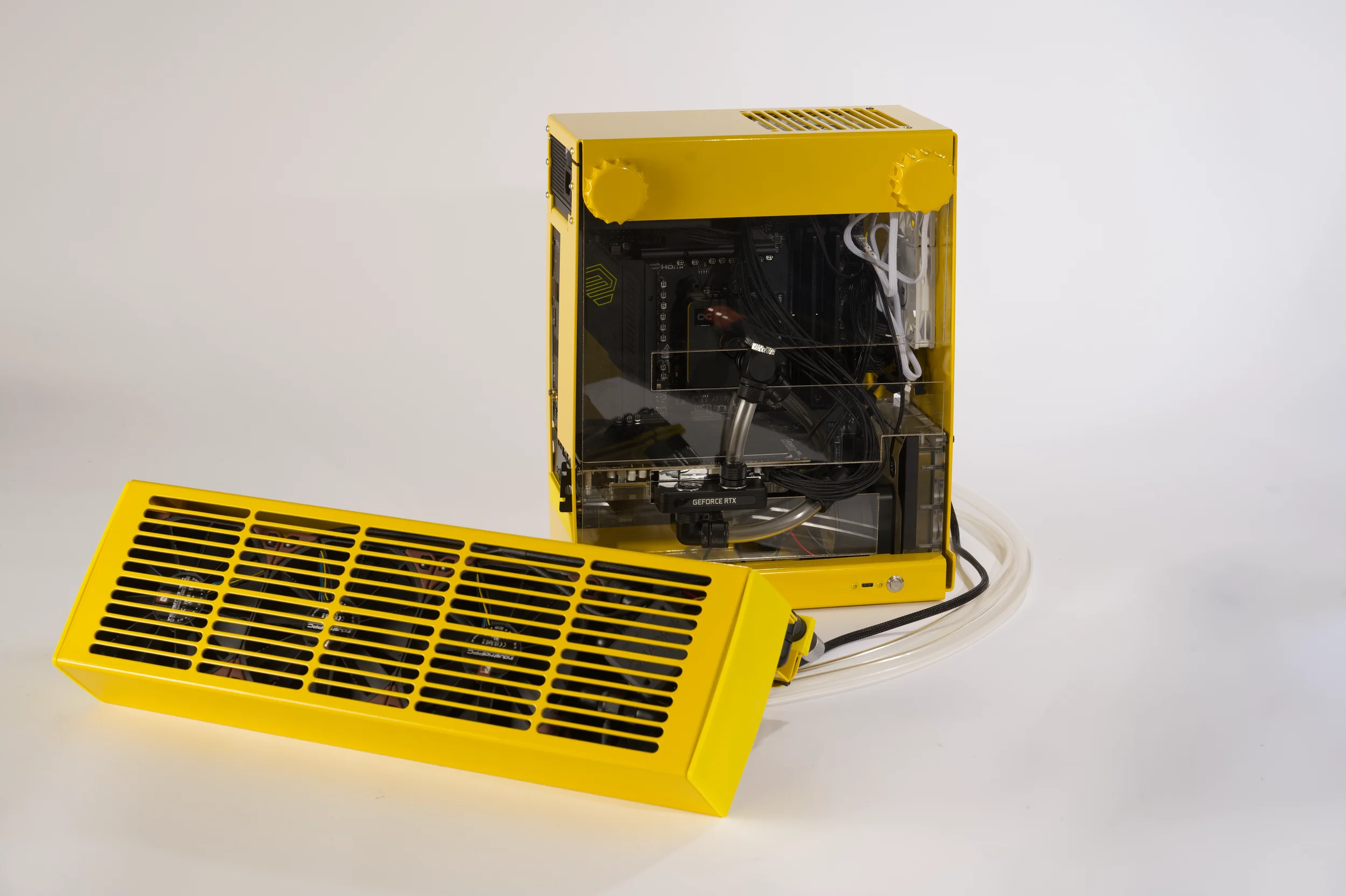
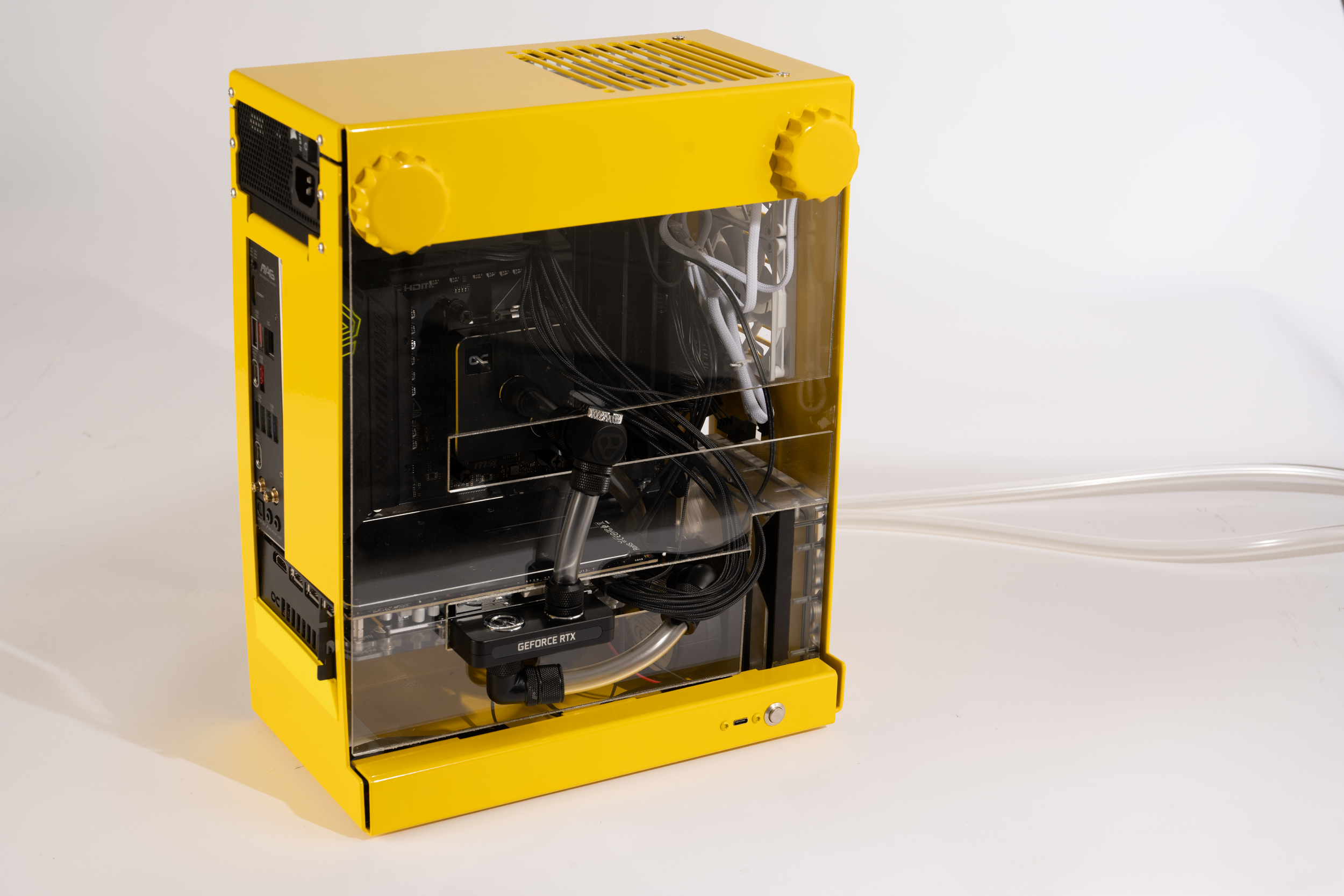
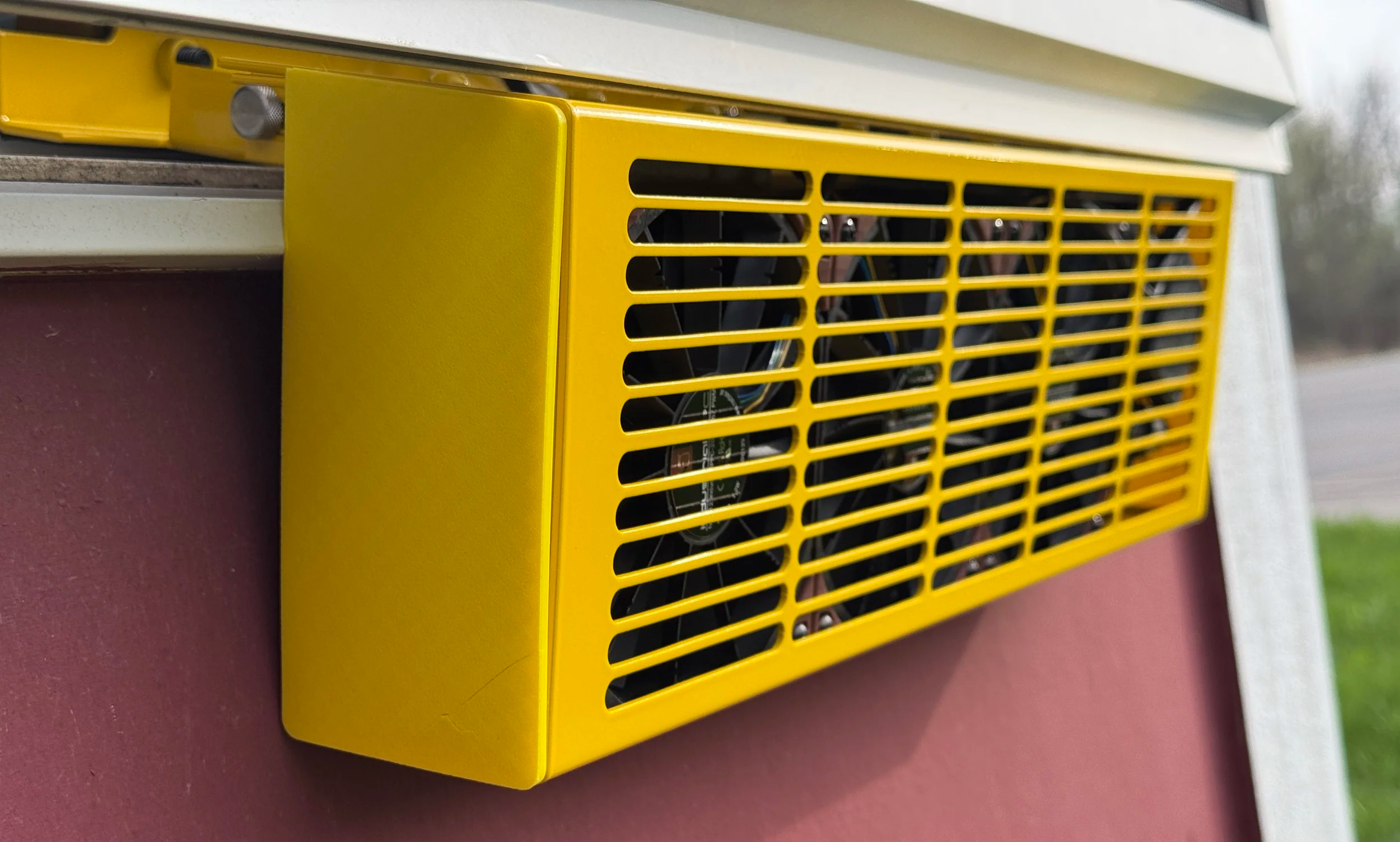
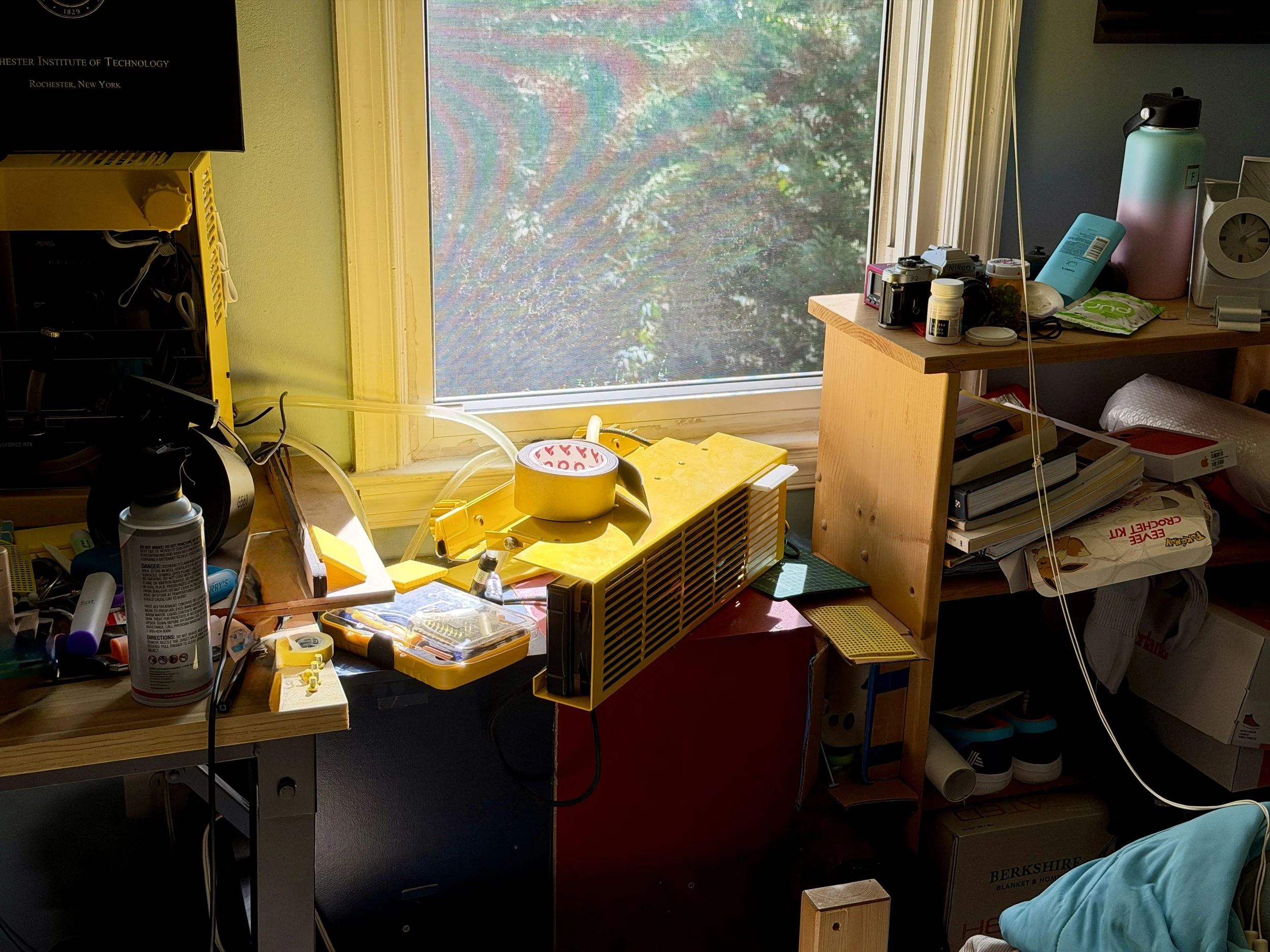
the lemon trials.
here’s how i tested lemon:
tests were performed over a span of 3 hours at night with outdoor temperatures near equal to indoor temperatures, without a user in the room and all doors closed with air conditioning off. this primarily eliminates uncontrollable heat generating/removing factors (sunlight, body heat, outdoor air, indoor circulation) from the experiment. after placing a hygrometer on my desk, i ran prime95 and furmark to generate as much heat as mechanically possible.
ambient temperature in ºF
the results.
in the control test, with lemon intaking and exhausting indoor air saw temperatures raise above 80ºF in under 60 minutes.
(outdoor test results are for data illustration purposes only at this moment)
the copy.
while keeping my project under wraps
i followed the ddb design language in my
magazine pages
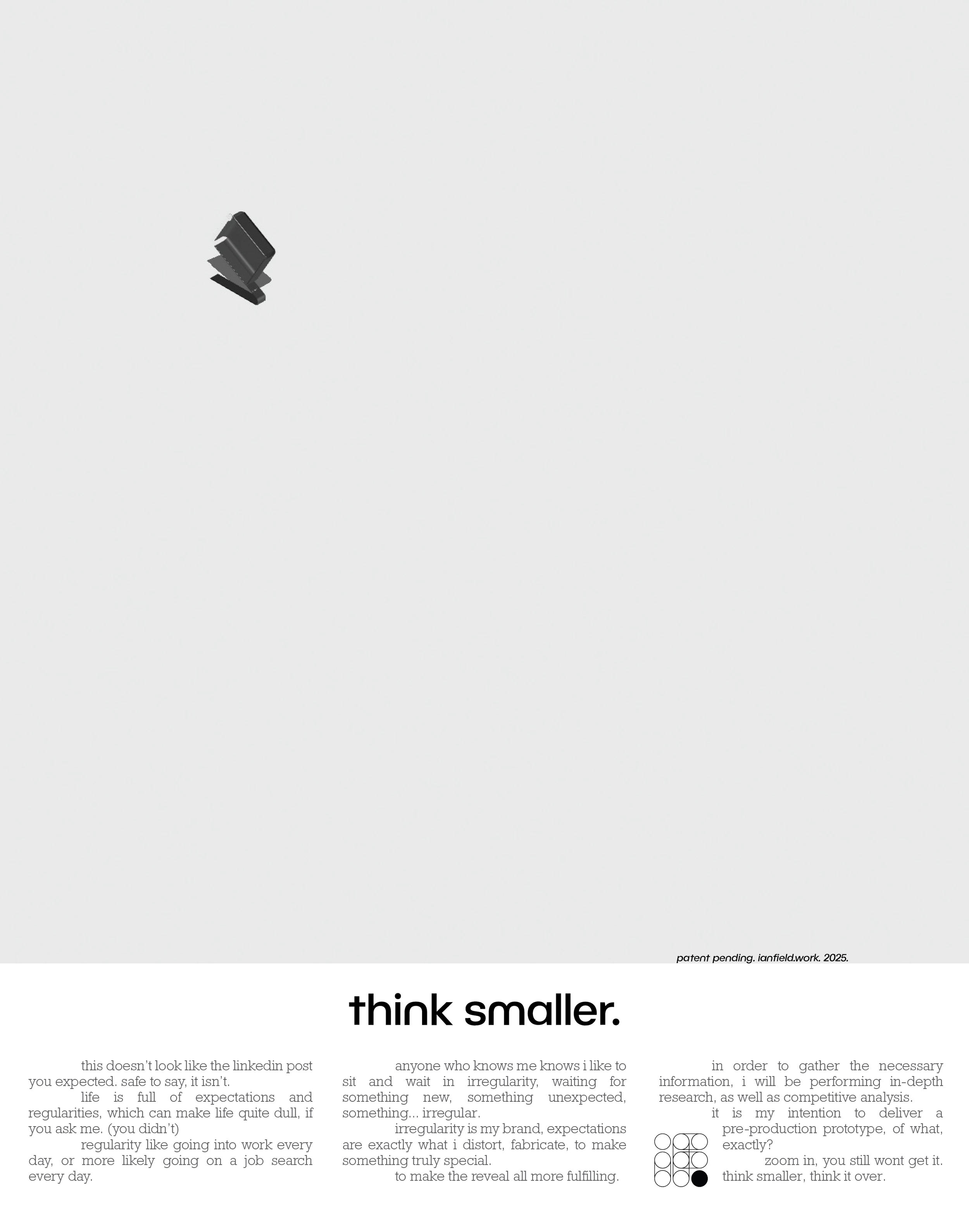
think smaller - social media announcement/teaser.
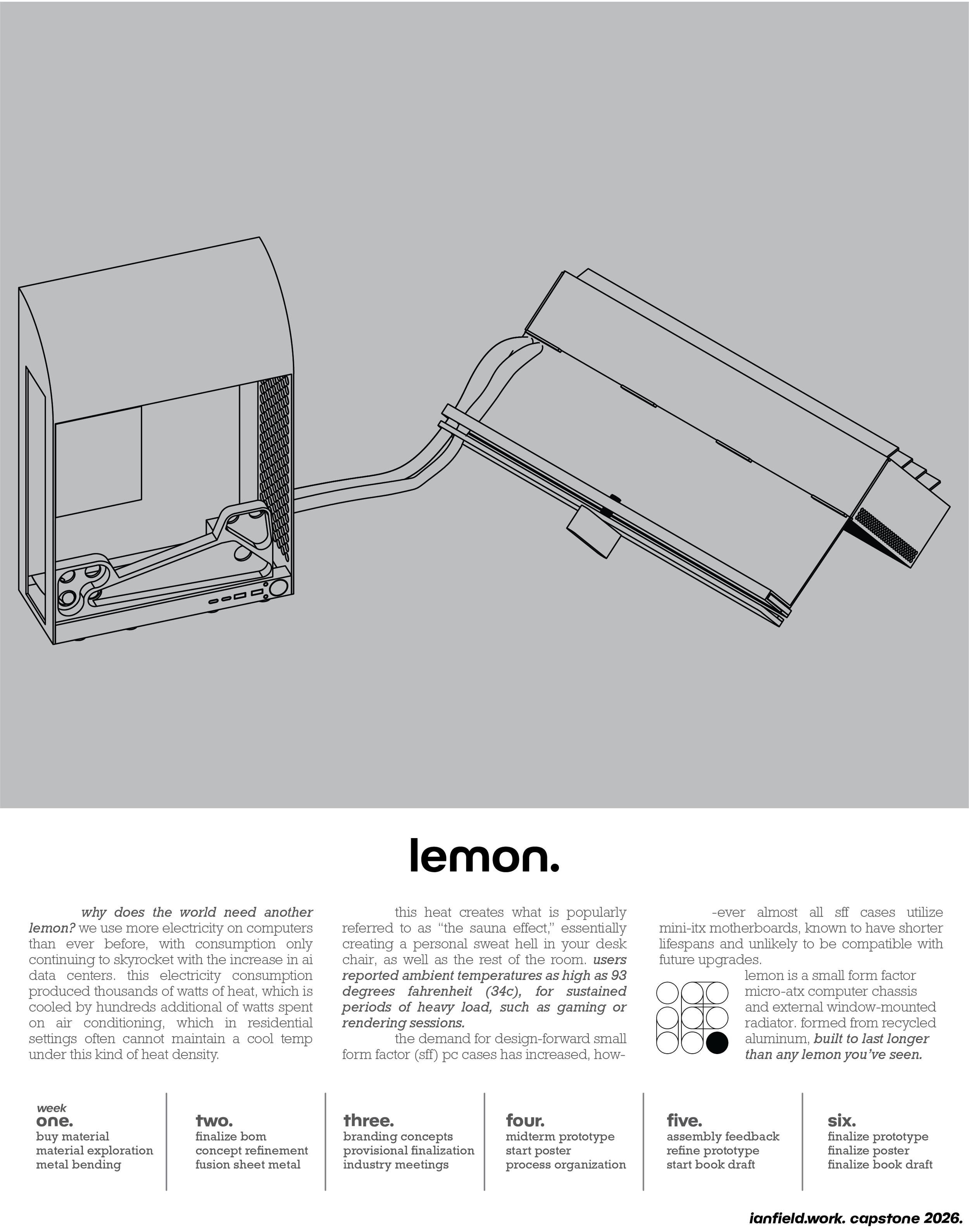
six week proposal - capstone studio assignment.